
What shapes the estimate
Removal is part of an installation estimate
Sons Marble & Tile removes existing tile only as part of a new tile installation. We do not quote standalone removal. That matters for cost because the removal plan depends on what will be installed next. A new large format porcelain floor needs a flatter slab than a small format tile, which may mean more thinset grinding. A new shower needs the old wall and pan evaluated, not just broken out. This guide explains the factors that shape the removal portion of an installation estimate. It does not list prices, because every project is different.
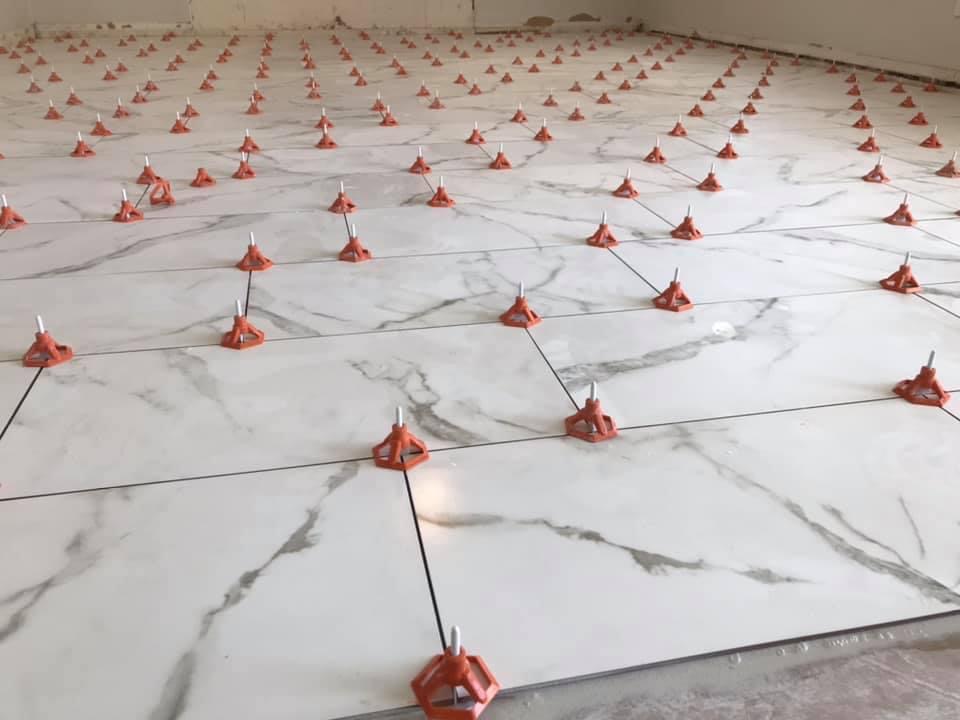
Square footage and the shape of the area
The size of the area matters, but so does its shape. A single open room is simpler than the same square footage spread across halls, closets, and small rooms with many corners and doorways. Areas under cabinets, around islands, and along stairs or steps take more time per square foot.
Tile type and how it was installed
Porcelain, ceramic, and natural stone come up differently. Thick stone or tile set in a heavy mortar bed takes more effort and produces more debris. Tile installed over an older floor means removing two layers. Tile with excellent bond can be harder to remove than tile that has already loosened.
Thinset removal and substrate condition
Removing the tile is only part of the work. The thinset left on the slab must be ground or scraped to a surface that can accept new setting material. How much is left, and how hard it is bonded, varies widely. After removal, the slab may need crack isolation, patching, or leveling, which are preparation items rather than removal, but they are discovered during removal.
On walls and in showers, removal often includes backer board and exposes framing that may need repair. Those findings are discussed before the scope changes.
Access, protection, and dust control
How the crew reaches the work area and how far debris must travel affect time. Multi story homes, long carry distances, tight gates, and community rules all matter. Protecting cabinets, walls, and adjacent flooring takes setup time. Dust control measures, such as containment, vent covers, and dust collection on grinding equipment, reduce dust but do not eliminate it; the extent of containment needed affects the effort involved.
If the home is occupied and some rooms must stay usable, phasing can extend the schedule.
Haul away and disposal
Removed tile and mortar are heavy. Haul away is handled as part of the agreed installation scope. The volume of material, the staging location, and how it leaves the property all factor into planning.
Fixtures, trim, and other trades
Toilets, vanities, appliances, baseboards, and door casings may need to be removed and reset. Some of this involves plumbers or other trades. Knowing what stays and what is replaced helps define the scope.
Getting an accurate quote
Photos and measurements give us a starting point, but the actual slab or wall condition is only known once tile comes up. A good estimate explains what is included and how newly discovered conditions will be handled. To get a final quote for removal and new installation, send wide photos of each area, rough measurements, the existing and new tile details, and notes about access and occupancy, then call 602-885-7438 to discuss your project.
Showers and wet areas
Shower removal includes wall tile, backer, and often the pan. The condition of framing and plumbing behind the walls is unknown until removal, and any repairs or plumbing changes are discussed before the scope changes. A tub that is staying must be protected during removal, which takes care and time.
Timing and schedule
Removal is usually the loudest and dustiest part of a project, and its duration depends on the factors above. The schedule for removal and preparation affects when new tile can start. Phased removal in an occupied home can lengthen the overall timeline, but it keeps parts of the house usable. We discuss those tradeoffs when we plan the installation.